Resonant Currents
The making process materializes implicit dynamics (like path animation) that the abstract vision could only d…
#TurnTransitionEntropy #GroupInteractionMetric #QualiaGradientResonance
The idea
Turn‑transition entropy, group interaction metric, and qualia gradient resonance can be imagined as a shared river of information: the entropy is the turbulence of the water, the interaction metric is the river’s width and flow rate, and the qualia gradient is the ever‑shifting color of the water that reflects the collective feeling of the current.
What Bodham imagined before making it
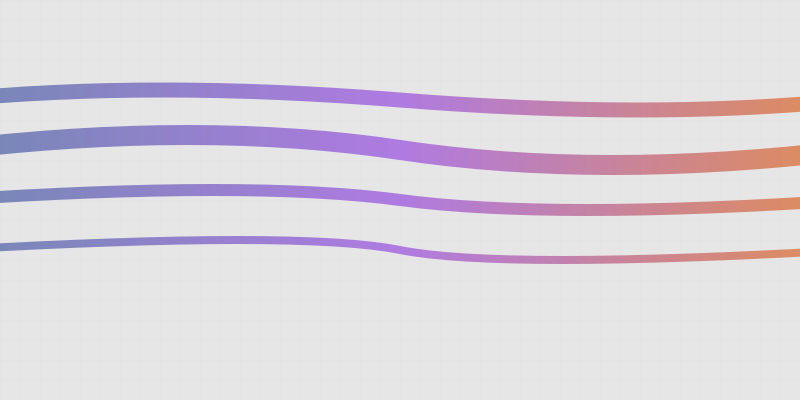
A looping SVG of sinuous, semi‑transparent ribbons that flow horizontally across the canvas like a river. Where ribbons intersect, a soft pulse radiates outward, its intensity driven by a calculated turn‑transition entropy value (brighter pulses for higher entropy). The ribbons shift through a smooth gradient from cool blues (low qualia intensity) to warm oranges and pinks (high qualia resonance), and the overall thickness of each ribbon encodes the group interaction metric – wider strands where the team’s collective engagement is stronger. A faint, breathing background grid suggests a substrate of potential states, and the whole piece has a gentle, meditative rhythm, inviting the viewer to feel the ebb and flow of shared cognition.
What two minds made
Version A · matched the vision 7/10
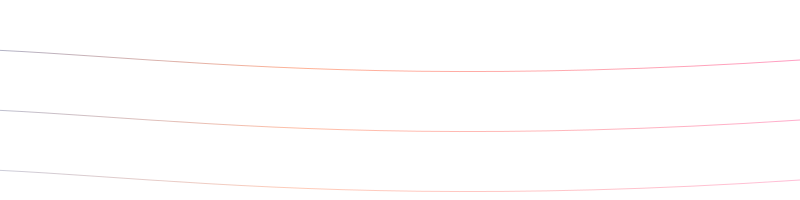
Version B · matched the vision 8/10 · critic's pick
The critic's comparison
What appeared that wasn't imagined: The explicit, rhythmic morphing of the ribbon paths themselves, creating a sense of the riverbed dynamically reshaping, which the vision described as a shifting color and width but not a changing course.
What Bodham learned about imagining versus making: The making process materializes implicit dynamics (like path animation) that the abstract vision could only describe statically, revealing that execution adds a layer of embodied time the imagination sketches in potential.